
Puppy training
Puppy training for the first ordinary months.
Early skills, a survivable routine, and socialization that respects how fast a puppy gets tired.
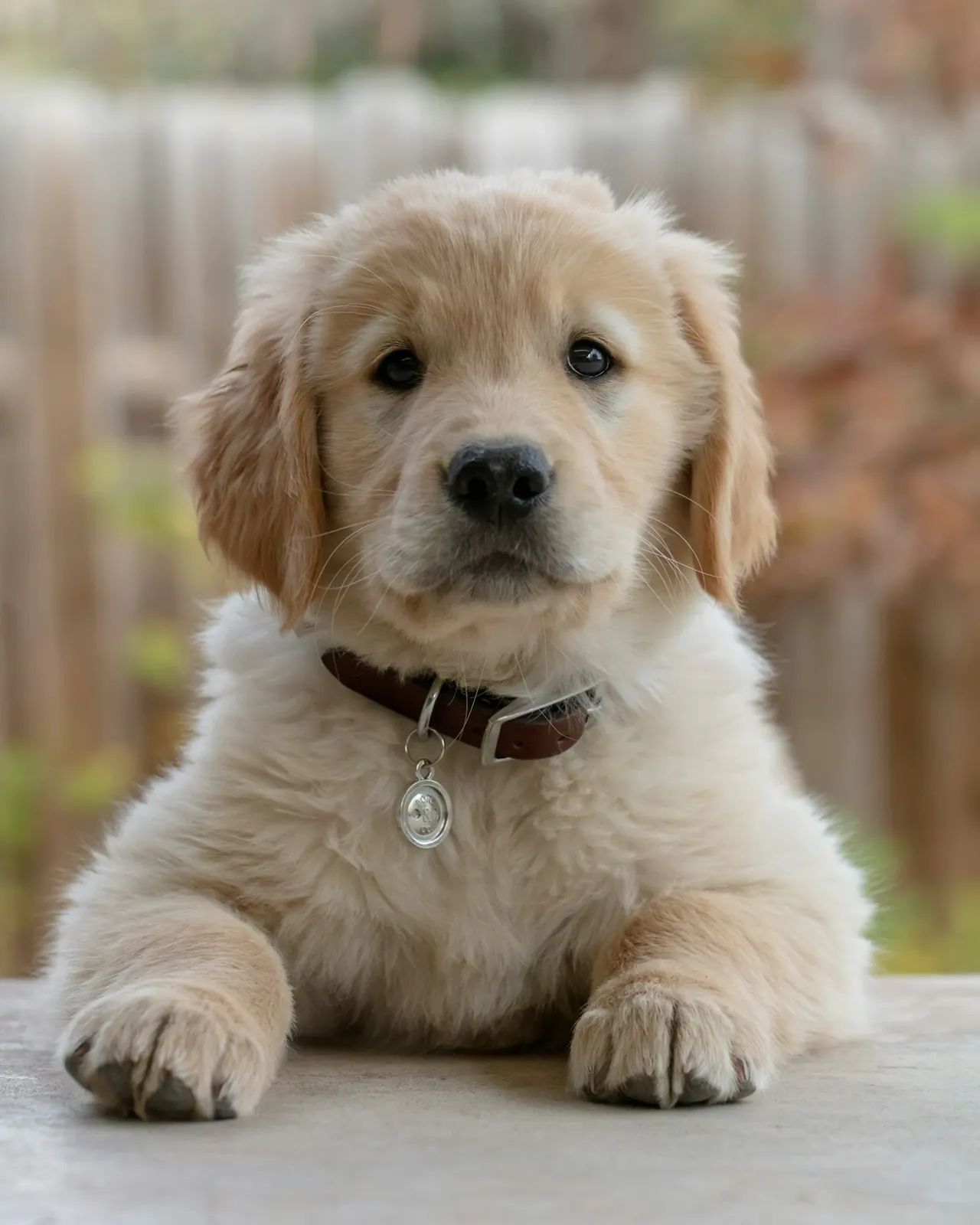
Who this is for
This page is for people living with a puppy or a young dog and trying to build manners before the habits get expensive. It fits if you want help with a name, sitting, settling, mouthing, the start of leash walking, and a day that includes naps. It is a poor fit if you want a board-and-train drop-off or a guaranteed show career.
What the work can cover
A useful puppy plan is small. Sessions of a few minutes beat a long lecture the puppy cannot follow. One criterion at a time: first the puppy looks when you say the name, later the puppy sits, later the sit happens at the door. Food, play, and access to the person are the reinforcers described here.
Socialization, in this context, means the puppy can notice ordinary life and recover: a hat, a bus, a friendly dog at a distance, a hand reaching for a collar. It does not mean a parade of forced greetings. Quality matters more than a checklist of exposures.
- A name that predicts something good.
- Sit and a settle on a mat or bed.
- Handling for nails, ears, and a collar, in short pieces.
- A bite that gets softer because hard teeth end the game.
- The first steps of a leash, continued on the leash and recall page.
- A potty rhythm, continued on the potty and crate page.
What to prepare
A hungry-enough puppy, a handful of small food, a bed, and a leash that is already the right size. You do not need a special room. You do need a plan for when the puppy is overtired, because most biting is a nap that has not happened yet.
The longer walk-through of these ideas is the puppy training basics guide. Puppy obedience, when it is individual skill work rather than a class, lives here and on the obedience page.
What this page will not claim
There is no promise that a puppy will be house-trained by a certain week, friendly with every dog, or safe off leash. Growth, health, and the practice you actually do all change the result. If you were looking for puppy classes near a city, this site does not publish a location or a roster.

How an inquiry works
Call +1 (320) 774-5897, email [email protected], or use the contact form. Include the puppy's age in weeks or months, what a normal day looks like, and the moment that is going badly. A reply is a conversation about fit. It does not book a lesson.
How it works explains what happens after you get in touch, and what still has to be confirmed before any lesson.
Questions
About puppy training
How do I ask about a puppy?
Call +1 (320) 774-5897, email [email protected], or send the contact form. The form is one option, not the only one. Include the puppy's age and the hardest moment in the day.
Is this a puppy class?
No. There is no group class and no drop-in night. Coaching is for one handler and one puppy.
Which skills come first?
A name, a short settle, softer biting, the start of a leash, and a potty rhythm. The longer list is on this page and in the puppy guide. Nothing here promises a finished dog by a certain week.
Ask whether this fits.
Tell us the puppy's age and whether the hard part is biting, the leash, the crate, or the puddles.